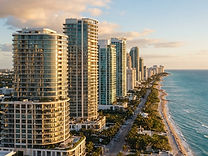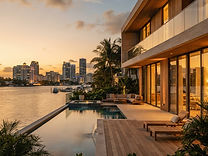
As wealth migration continues to reshape South Florida, the definition of luxury is shifting. Recent data reveals rising price thresholds and a surge in ultra-luxury transactions.
The definition of luxury in South Florida real estate is a moving target, and lately, it has been moving rapidly upward. Driven by sustained wealth migration and a preference for hard assets, the upper echelons of the Miami Beach and Coral Gables markets are establishing new baselines. For buyers and sellers navigating this landscape, understanding these shifting thresholds is essential for pricing accurately and recognizing value.
The Rising Floor of Luxury
What constitutes a luxury property today is markedly different than it was just a few years ago. According to the Miami Association of Realtors, the price threshold for the top 5% of single-family home sales in Miami-Dade County rose to $4.2 million in the first three quarters of 2026.
This upward pressure is even more pronounced in the ultra-luxury segment, defined as the top 1% of sales. In Miami-Dade, the entry point for this elite tier reached $14 million during the same period. This isn't merely a reflection of inflation; it's a structural shift in the market driven by high-net-worth individuals relocating from high-tax states and seeking premium properties.
The Cash Advantage
The luxury market in South Florida remains heavily insulated from mortgage rate fluctuations, largely due to the prevalence of cash transactions. The Miami Association of Realtors reports that over half of all million-dollar sales year-to-date in Miami-Dade County were all-cash. In the million-dollar condominium and townhome market, that figure is even higher, with 70% of sales in Miami-Dade closing without financing.
This liquidity provides a significant advantage for buyers who can bypass the lending process, allowing for faster closings and stronger negotiating positions. For sellers, it means a higher certainty of closing once a contract is signed, provided the property is priced to reflect current market realities.
Notable Transactions and Neighborhood Dynamics
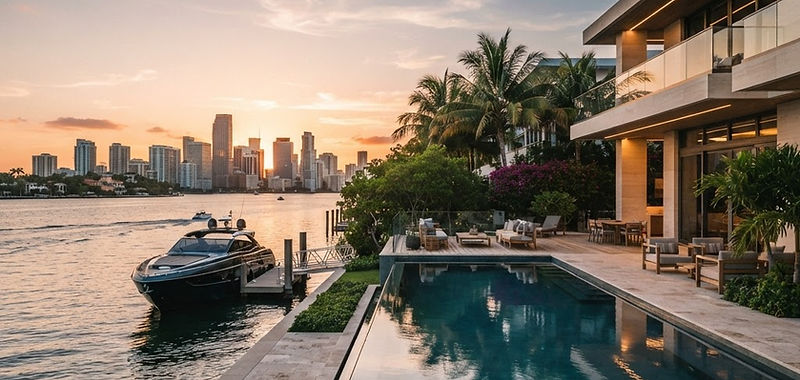
The strength of the ultra-luxury market is evident in recent high-profile transactions. For instance, a property on Miami Beach's exclusive Allison Island was purchased for $51 million by Google founder Sergey Brin, as noted in public records and highlighted by the Miami Association of Realtors. More recently, a home on Hibiscus Island went under contract for $51.5 million, underscoring the sustained demand for premium waterfront estates.
While Miami Beach continues to command top dollar—with a luxury threshold of $27.5 million and an ultra-luxury threshold of $45.6 million in 2025—other neighborhoods are also seeing significant appreciation. Coral Gables, known for its historic charm and lush landscapes, remains a highly sought-after enclave for buyers seeking privacy and space without sacrificing proximity to the urban core.
Looking Ahead
As we move further into 2026, the trajectory of the luxury market will likely continue to be shaped by limited inventory in the most desirable neighborhoods and the ongoing influx of affluent buyers. Year-to-date through September, closed sales of homes priced at $10 million or more in South Florida increased 40% year-over-year, according to the Miami Association of Realtors.
For those considering entering the market, whether buying or selling, the key is to look beyond the headlines and understand the specific dynamics of your target neighborhood. The luxury market is not a monolith; it is a collection of micro-markets, each with its own nuances and value drivers. Navigating this environment requires a deep understanding of local data and a strategic approach to pricing and negotiation.